

Affiliate marketing is one of the most accessible ways to start earning income online, but if you’re new to the space, it can feel overwhelming. The good news is that you don’t need to have a website full of traffic or be an expert marketer to succeed. With the right steps, beginners can quickly position themselves for affiliate marketing success.
Here’s a step-by-step guide for beginners:
1. Understand Affiliate Marketing Basics
Before jumping in, it’s essential to understand what affiliate marketing is. In simple terms, affiliate marketing is when you promote someone else’s product or service, and you earn a commission when someone makes a purchase through your unique referral link. You’re essentially connecting potential buyers with products they’re looking for.
Key Terms to Know:
- Affiliate Link: A unique URL assigned to you to track referrals.
- Commission: The percentage or fixed amount you earn from a sale.
- Affiliate Network: Platforms that connect affiliates with merchants (e.g., ClickBank, ShareASale, CJ Affiliate).
2. Choose a Niche
One of the first decisions you need to make is choosing a niche. A niche is simply a specific area or topic you want to focus on. Selecting a niche that you’re passionate about or knowledgeable in is important because it helps you create content that resonates with your audience.
When choosing a niche, ask yourself:
- What topics am I interested in?
- Are people actively searching for products in this niche?
- Is there a demand for the type of products or services I want to promote?
3. Select Affiliate Programs
Once you’ve chosen a niche, the next step is to find affiliate programs that align with your niche. You want to promote products that offer value to your target audience and that you believe in.

Look for affiliate programs with the following features:
- Good commission rates: Check if the percentage or flat-rate commissions make promoting the product worthwhile.
- Reputable product/service: You’ll want to partner with trustworthy companies to maintain your audience’s trust.
- Long cookie duration: Cookie duration refers to how long your referral link remains active. A longer duration means you have more chances to earn a commission if the buyer doesn’t purchase immediately.
Some popular affiliate networks for beginners include:
- Amazon Associates: Great for beginners, offers a wide range of products.
- ClickBank: Ideal for digital products and often has higher commissions.
- ShareASale: Well-established network with a variety of merchant partners.
4. Build a Platform
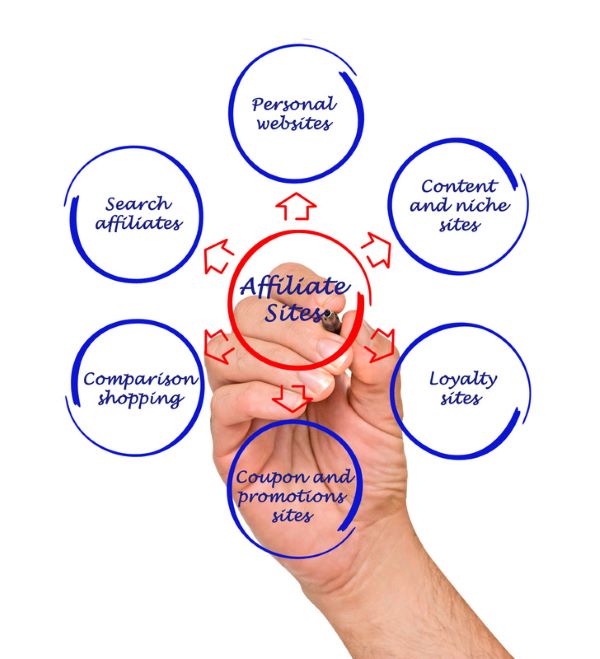
You’ll need a platform to promote your affiliate links. This could be a blog, YouTube channel, social media page, or even an email list. The goal is to create content that provides value and integrates your affiliate offers naturally.
Blogging is one of the most popular platforms for affiliate marketing, and it’s beginner-friendly. You can write reviews, guides, and how-to posts that solve problems or provide helpful information related to your niche.
YouTube and social media can also be effective platforms for promoting products, especially if you’re comfortable being on camera or creating visually engaging content.
5. Create High-Quality Content
Content is key in affiliate marketing. Your audience will look to you for recommendations and guidance, so the more helpful and valuable your content, the better your chances of making sales.
Focus on creating:
- Product reviews: Provide honest, detailed reviews of the products you’re promoting.
- Tutorials or how-tos: Show your audience how to use a product or solve a problem with it.
- Comparison posts: Compare similar products to help your audience choose the right one.
Always aim to be authentic. If you genuinely believe in the products you’re promoting, your audience will sense that, and they’ll be more likely to trust your recommendations.
6. Drive Traffic to Your Content
Once you’ve built your platform and created content, it’s time to attract visitors. There are several ways to drive traffic to your affiliate content:
- SEO (Search Engine Optimization): Optimize your content so that it ranks in search engines like Google. This can help you attract organic traffic without paying for ads.
- Social Media: Share your content on platforms like Instagram, Pinterest, Twitter, and Facebook. Building a following on social media can drive traffic back to your site or affiliate links.
- Paid Traffic: Consider using paid advertising (e.g., Google Ads, Facebook Ads) to promote your content. While this can be expensive, it can also bring quick results if done right.
7. Build an Email List
Even as a beginner, it’s never too early to start building an email list. Email marketing is a powerful tool for affiliate marketers because it allows you to promote products directly to people who are interested in your content.
You can create a simple lead magnet (like a free guide or checklist) to entice visitors to subscribe to your email list. Once they’re on your list, you can nurture them with valuable content and occasional affiliate promotions.
8. Track Your Performance
As you start promoting affiliate products, it’s crucial to track your progress. Most affiliate programs provide analytics, so you can see which links are getting clicks and which products are generating sales.
Analyze the data to see which content and platforms are working best. Use this information to improve your strategies and focus on what’s driving results.
Conclusion
Getting started in affiliate marketing doesn’t have to be complicated. By following these steps—choosing a niche, finding the right affiliate programs, creating valuable content, and driving traffic—you can set yourself up for success. Remember, consistency is key. Keep learning, testing, and refining your strategies, and over time, you’ll see your efforts pay off.